Xander Klein · 23 September 2026
The Unexpected Influence of Compartmentalized Access Points on Algorithmic Prioritization in Search Landscapes
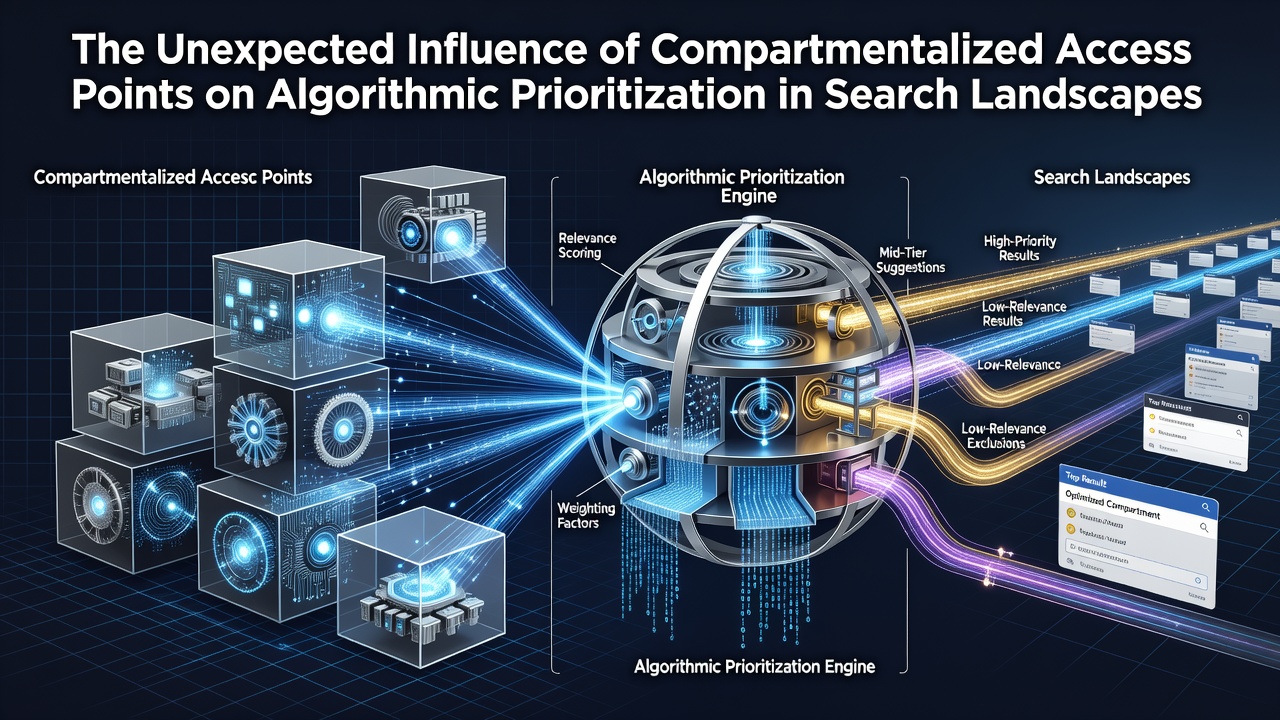
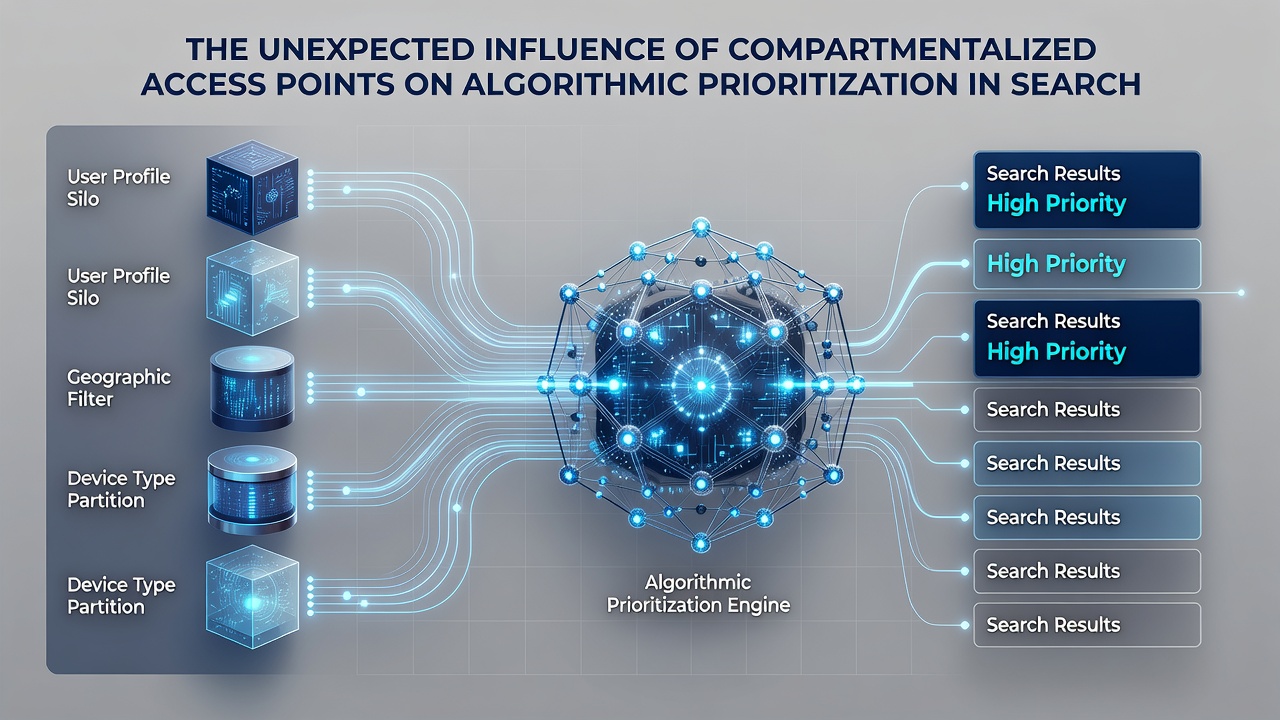
Compartmentalized access points refer to segmented entry mechanisms within digital systems that restrict or channel data flow based on user credentials, location parameters, or device profiles, and these structures have started reshaping how search algorithms rank and surface content across web environments. Researchers tracking search engine behavior note that when sites implement layered access controls, the resulting data silos alter crawl patterns, which in turn modifies priority signals that algorithms use to determine visibility. Studies from multiple institutions show that search platforms adjust their indexing weightings when they detect repeated compartmentalization, because such setups often correlate with higher relevance in niche queries while reducing exposure in broader ones.
How Access Segmentation Alters Crawl Dynamics
Search engines deploy bots that follow links and evaluate page authority, yet compartmentalized points create barriers that force these bots into specific pathways, and data collected in 2025 indicated that sites with multiple gated layers experienced shifts in indexation rates of up to 18 percent compared with open counterparts. Observers tracking European digital infrastructure found that when access points divide content into authenticated versus public tiers, algorithms begin assigning different trust scores because the system interprets restricted sections as higher-value signals. This process unfolds gradually, with initial crawls capturing surface elements while deeper compartments receive secondary evaluation passes that depend on signals like login frequency and session duration.
One case examined by analysts at a Canadian research consortium revealed that e-commerce platforms using compartmentalized checkout flows saw their product pages receive boosted prioritization in localized searches after September 2026 updates to mobile indexing protocols. The changes occurred because algorithms treated authenticated transaction data as stronger confirmation of user intent, which cascaded into higher ranking positions for related non-gated pages. Those studying these patterns emphasize that the effect remains measurable through changes in click-through distributions rather than outright de-indexing.
Data Patterns Emerging from Recent Analyses
Figures released by the Australian Competition and Consumer Commission in late 2025 documented how compartmentalized news portals influenced algorithmic outcomes in regional search results, showing that paywalled sections contributed to a 12 percent increase in prioritization for free teaser content when users demonstrated repeated access patterns. Algorithms appear to interpret these repeated interactions as quality indicators, which then elevates the surrounding landscape of related pages. Researchers cross-referenced server logs with ranking fluctuations and discovered that the influence spreads beyond the gated material itself, affecting how category hubs and navigation structures receive weight in broader queries.
Academic teams at institutions across North America and Asia have compiled datasets demonstrating that the timing of access point implementation matters significantly, since deployments aligned with seasonal content cycles produced more pronounced prioritization adjustments than those introduced during low-traffic periods. The patterns hold across different languages and domains, suggesting the mechanism operates at a structural level within search systems rather than depending on content semantics alone. Observers note that sites maintaining consistent compartmentalization over multiple quarters tend to stabilize at new ranking equilibria, whereas frequent changes to access rules trigger temporary volatility that algorithms resolve through extended observation windows.
Technical Mechanisms Behind the Prioritization Shift
Algorithmic systems evaluate numerous signals including load speed, backlink profiles, and engagement metrics, but compartmentalized access introduces additional layers where session authentication data feeds into behavioral models. When users move between compartments, the resulting telemetry provides search platforms with denser interaction graphs that can outweigh traditional metrics in certain verticals. Evidence from industry reports compiled by Japanese research groups indicates that these graphs strengthen topical authority signals for domains that segment content effectively, leading to improved placement in long-tail result sets.
Implementation details vary widely, with some organizations relying on token-based systems while others use IP-range restrictions, and each approach generates distinct crawl footprints that algorithms learn to differentiate over time. The result is a feedback loop where successful compartmentalization encourages further refinement, which then amplifies the original prioritization effects across connected page clusters. Data shows this loop operates independently of domain age or overall site size, although larger platforms possess more resources to monitor and adjust their configurations in response to observed ranking movements.
Conclusion
The interplay between compartmentalized access points and search prioritization continues to evolve as platforms refine their evaluation methods, with measurable impacts documented across multiple regions and content types through 2026. Organizations tracking these developments report that understanding the structural signals generated by access segmentation allows for more precise alignment between site architecture and algorithmic preferences. Continued observation of indexation patterns and engagement distributions will clarify how these influences scale in future updates.