Petra Vogel · 4 November 2026
Partitioned Entry Protocols and Their Role in Modulating Content Visibility Within Secure Digital Archives
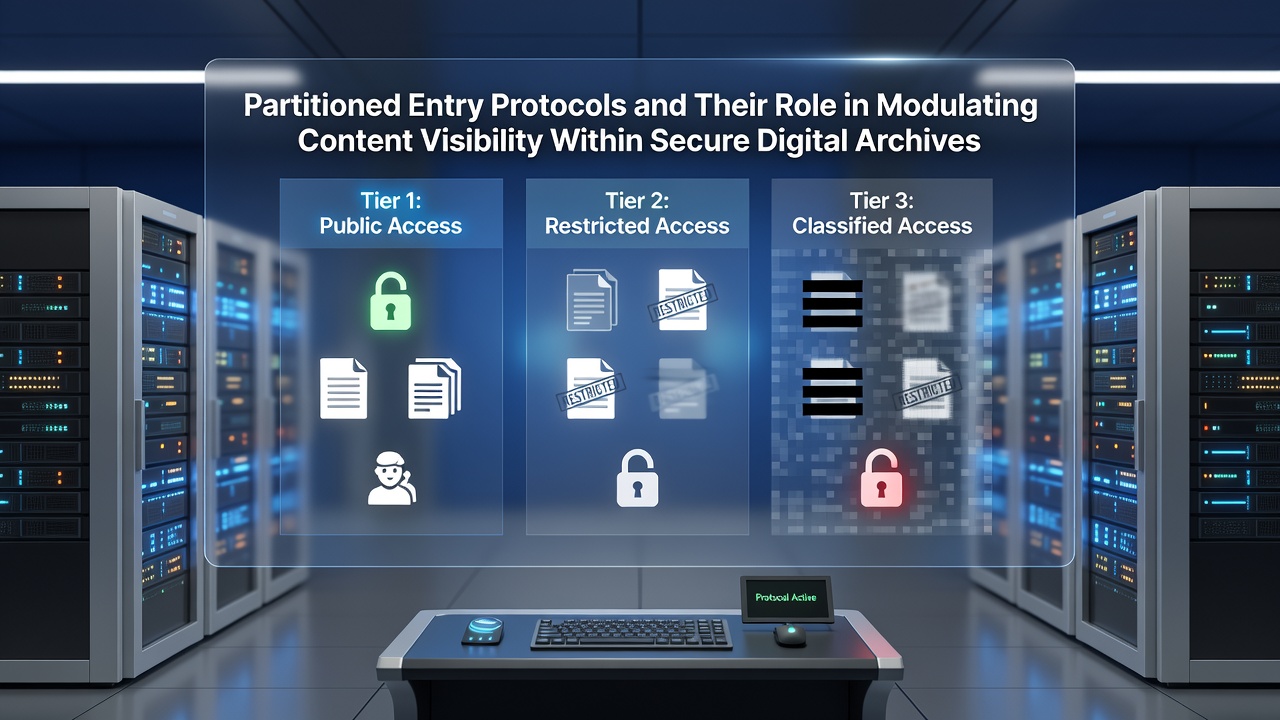
Partitioned entry protocols function as structured mechanisms that segment access pathways into secure digital archives, allowing administrators to regulate which portions of stored content become visible to specific users or systems based on predefined criteria such as credentials, roles, or contextual factors, and these protocols have gained traction in institutional settings where large repositories manage sensitive records from government, academic, and corporate sources.
Core Components of Partitioned Entry Protocols
Each protocol divides an archive into logical partitions that operate independently yet interconnect through controlled gateways, so when a user submits an entry request the system evaluates multiple layers including authentication tokens, session parameters, and content metadata before granting visibility to designated segments, and this layered approach prevents blanket exposure while permitting granular retrieval that aligns with compliance requirements established by bodies like the National Institute of Standards and Technology.
Researchers tracking implementation trends note that partitioned systems often incorporate dynamic adjustment features, meaning visibility rules can shift in response to real-time signals such as network location or device certification, and such adaptability supports environments handling mixed sensitivity levels where some records remain open while others stay restricted.
Mechanisms That Shape Content Visibility
Visibility modulation occurs through a combination of cryptographic barriers and rule-based filters that activate upon entry, so content remains encrypted until the protocol confirms the requester meets partition-specific conditions, and this process typically involves cross-referencing against policy databases maintained within the archive infrastructure itself. Observers have documented cases where archives integrated machine learning elements to refine visibility decisions over time, allowing the system to learn patterns from prior access events without compromising the underlying partition integrity.
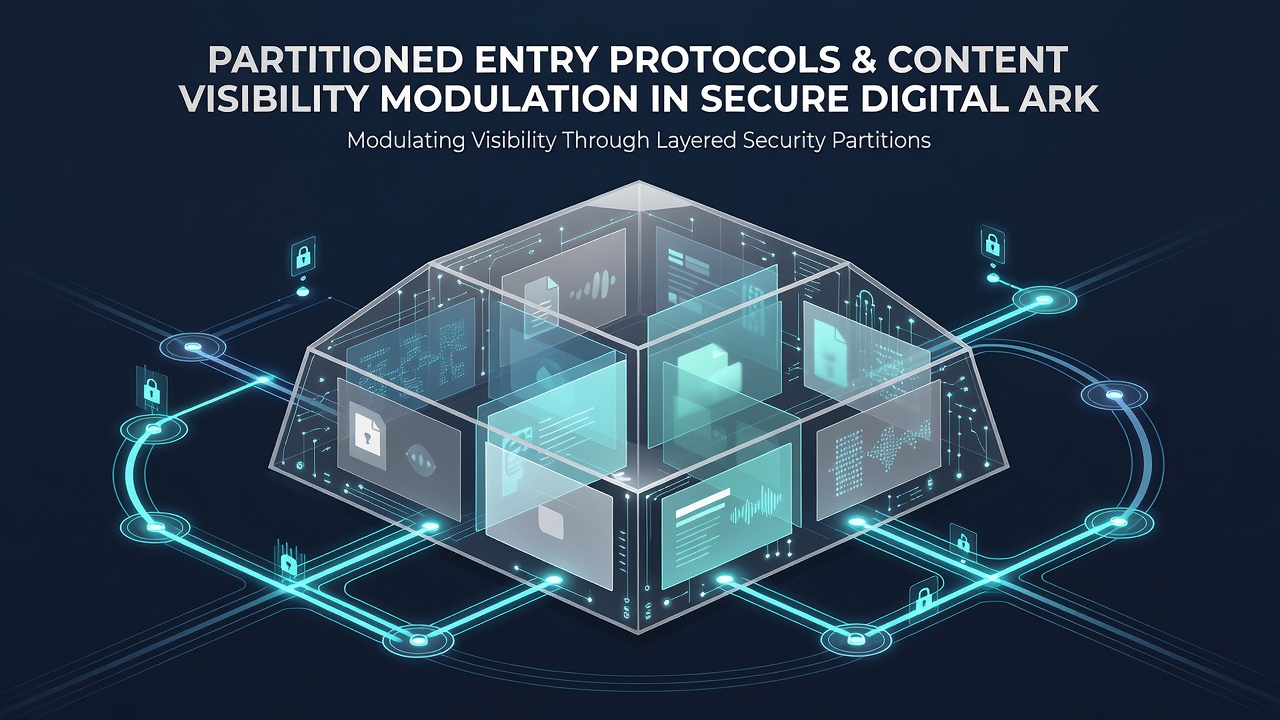
One study conducted across multiple university repositories revealed that institutions adopting these protocols reduced unauthorized visibility incidents by measurable percentages, with the data showing particular effectiveness in environments where archives span international collaborations and require adherence to varying regional standards. The National Archives of Australia has published guidelines that align with similar segmentation practices, emphasizing the need for clear audit trails that record every visibility change triggered by an entry protocol.
Implementation Patterns Observed Through 2026
By November 2026 several large-scale digital preservation projects had incorporated partitioned entry protocols into their core architecture, enabling them to handle expanding collections while maintaining strict controls on who sees what portions of the material, and these deployments often feature hybrid models that combine on-premises partitions with cloud-based verification services for added resilience. Data from ongoing monitoring efforts indicates that archives using these protocols achieve higher compliance scores during external audits because the segmentation creates natural checkpoints that simplify reporting requirements.
Experts examining cross-border archives note that protocols must account for differing legal frameworks, so visibility rules sometimes include geographic restrictions that activate based on the requester's detected location, and this capability proves especially useful when repositories store materials subject to multiple jurisdictions simultaneously.
Integration With Existing Archive Technologies
Partitioned entry protocols rarely operate in isolation, instead they interface with established tools such as metadata management systems and encryption suites to create a cohesive security layer, and successful integrations typically begin with mapping existing content categories onto new partition structures before activating the protocol controls. Those managing long-term digital collections report that training staff on protocol maintenance becomes a recurring priority because rule updates can affect visibility across thousands of records at once.
Academic papers examining protocol performance highlight scenarios where archives experienced improved search efficiency after implementation, as users encountered only relevant visible content rather than sifting through restricted items that remained hidden from their view, and this outcome stems directly from the protocol's ability to pre-filter results during the query stage.
Conclusion
Partitioned entry protocols continue to evolve as digital archives expand in scale and complexity, providing a framework that balances accessibility with protection through deliberate segmentation of entry points and visibility controls. Continued observation of deployments through late 2026 shows consistent patterns of adoption across sectors that prioritize secure record management, with supporting documentation from sources such as the National Institute of Standards and Technology and the National Archives of Australia offering reference points for practitioners seeking to align their systems with established practices.